This week for Movie Club I watched two movies on my way back from Japan. On the flight home I had the opportunity to watch Hideaki Anno’s Shin Godzilla (2016), and the film he wrote after it, Shin Ultraman (2022). While Shin Ultraman is helmed by a different director, Shinji Higuchi (co-director of Shin Godzilla), Anno’s voice is still clear throughout. Before he created Evangelion and defined anime for a decade, Hideaki Anno was a tokusatsu super-fan. It’s been said in interviews, and depicted in the semi-biographical series Blue Blazes that Anno knows all the Ultraman poses and watched Godzilla, Ultraman, and Kamen Rider religiously growing up. Seeing these classics reimagined by a self-identified enthusiast, especially one whose work I admire so much, seemed like the perfect recipe for some incredible modern kaiju movies. Read on to see my thoughts on Shin Godzilla and Shin Ultraman!
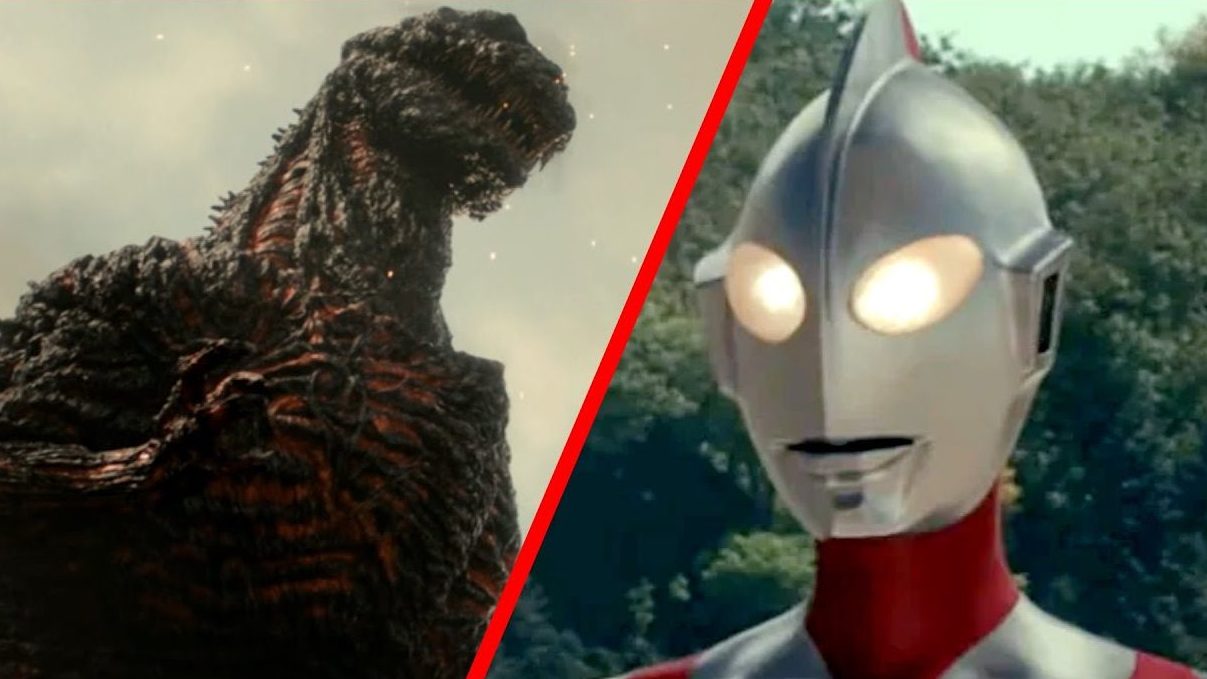
The following post contains light spoilers for Shin Godzilla and Shin Ultraman.
Shin Godzilla
Shin Godzilla is a reimagining of humanity’s first encounter with the famous movie monster, Godzilla. As with most Godzilla films, the titular monster only accounts for a small fraction of the runtime. In the past, this was a decision made to save costs on the special effects budget, but in this case, the focus on the human response to Godzilla is clearly a motivated choice to make a commentary on the Japanese government. The cinematography does a spectacular job of punching up the mundane visuals of committees forming and reforming, and war rooms being stocked with office supplies a la Hot Fuzz (2007), in an effort to showcase how ineffective the Japanese government is at handling such an unprecedented natural disaster. Clearly, Anno has strong feelings on efficacy and accountability within such a stilted bureaucracy.
The aftermath of the second World War has cast a long shadow on Japan’s ability to respond to the crisis. As the JSDF clashes with the colossal reptile, there’s a clear sentiment that Japan’s response is beholden to the opinions of the international community; when the UN agrees that dropping a nuclear bomb provided by the Americans on Godzilla, several Japanese characters express anguish at the possibility of a third bomb being dropped on their country. There’s a definite sense in both these films that Japan is an underdog country that is very much underrepresented because of its status as America’s vassal state, although that conflict is much more present in Shin Godzilla.
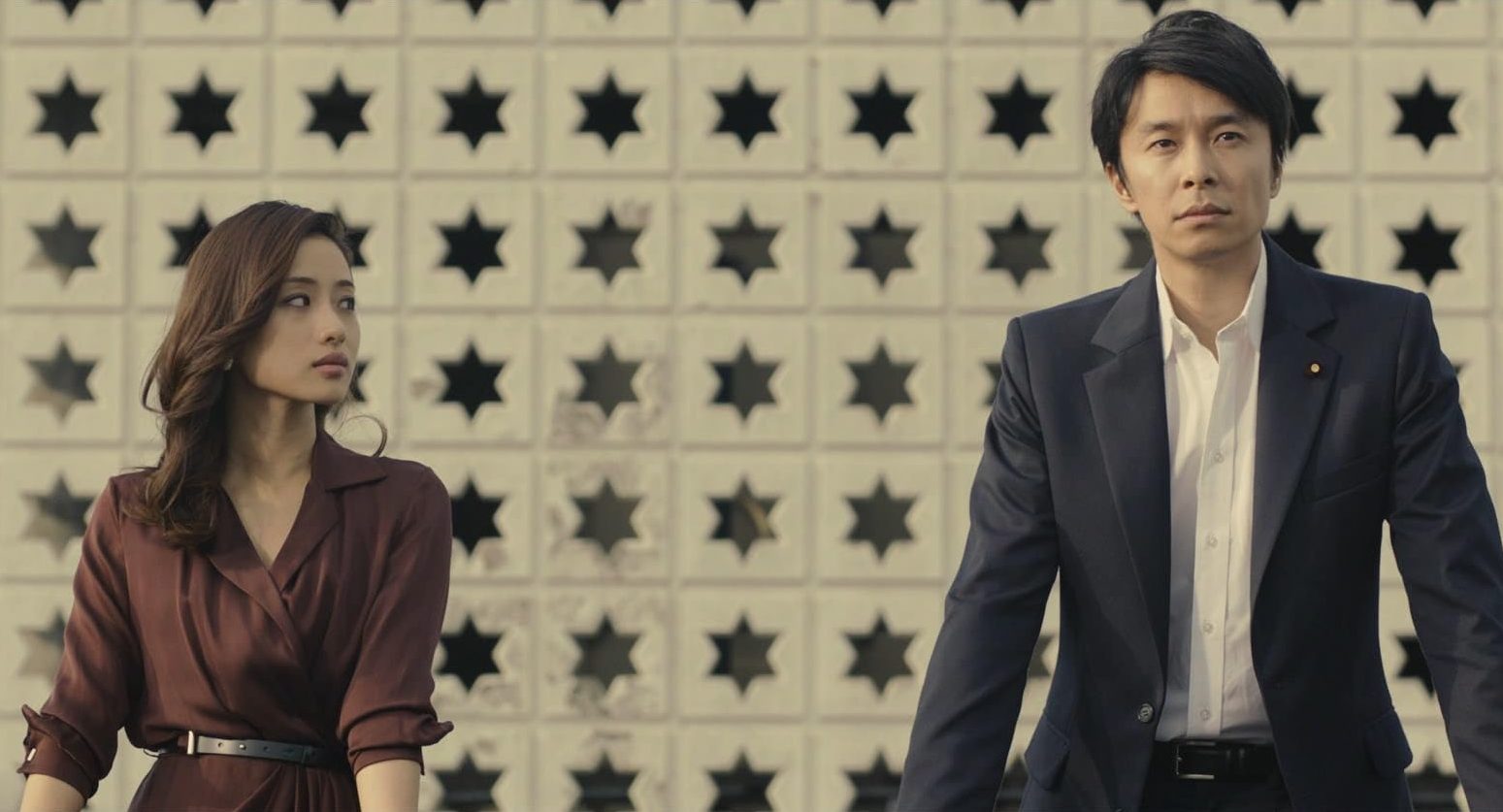
Anno’s eye for style in the mundane scenes and spectacle in the action sequences are on full display here. At several points I felt the scenes were directed very much like an anime. Anno famously directed Evangelion and the subsequent rebuild films to have performances that were more akin to a live action series, going as far as to have the final installment, Evangelion: 3.0+1.0 Thrice Upon a Time (2021), filmed with motion capture and virtual cameras. Maybe that’s why the scenes of council meetings and politicians walking down hallways felt so familiar; the scenes are directed very similarly to the classic anime series.
Action shots of tanks unloading a barrage of artillery fire and planes dropping explosive payloads feel like Anno touching home plate. His expertise has always been explosions and vehicles, and it seems to translate well to live action. The scenes in which Godzilla rampages through the various wards feel visceral, and left me pretty unnerved, maybe because I had spent the last week staying in a cute little apartment near Kamata.
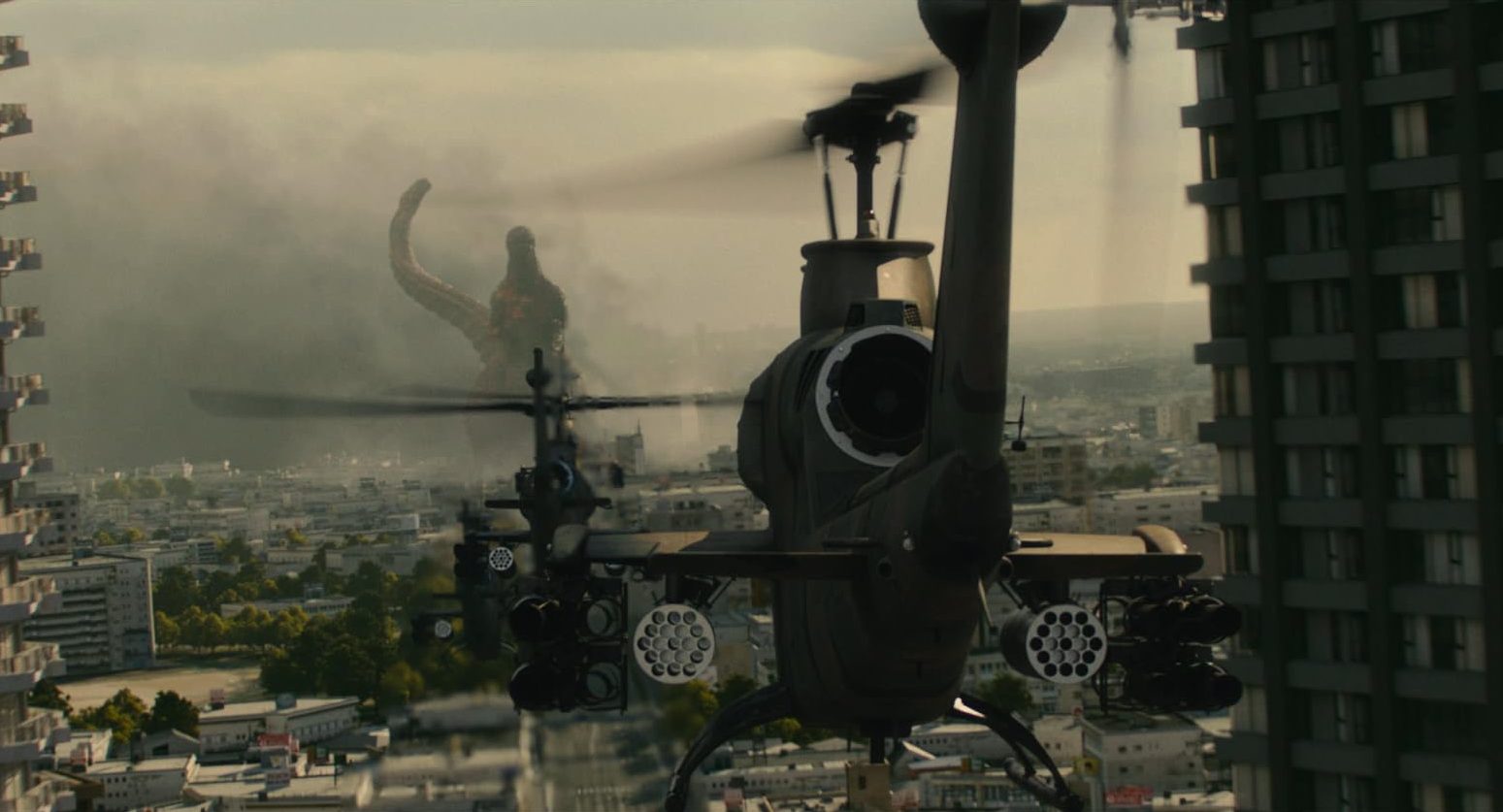
Surprisingly, Godzilla itself feels like the weakest element of this movie. Godzilla has been reimagined as a highly adaptable kaiju that takes several monstrous forms over the course of the movie. While some of its designs feel right at home in the Godzilla canon, none of its forms convey much emotion, or have much character. Godzilla fans will know that usually the kaiju has a bit of a personality that comes through in the classic films, but that element of the monster seems to have been removed in service of making it feel more like an unstoppable force of nature rather than a sentient creature. It is still very cool to see Godzilla’s nuclear breath, or the prism of lasers it can launch from its back. Its final form most strongly resembled the iconic look that most people will recognize, but I can’t help but think it was a little overdesigned.
The movie ultimately hinges on whether you like the core human cast or not. I thought Yaguchi (Hiroki Hasegawa) was a strong protagonist, and once the frustrating part of the politics was past, I really did start to feel for the ragtag crew who was ultimately able to pacify Godzilla. Characters like the half-American, Kayoko Ann Patterson (Satomi Ishihara), added some much-needed levity to the cast without feeling out of place, and added to the anime aesthetic that the movie evokes. It’s definitely worth checking out for fans of Godzilla, or Anno’s other works, but the fast paced storytelling likely won’t resonate with general audiences.
Shin Ultraman
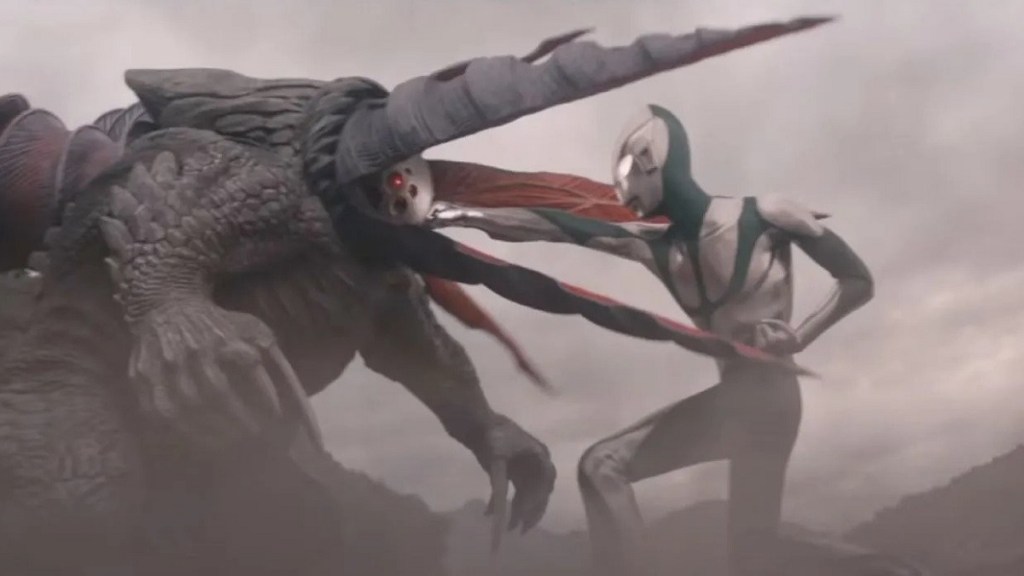
While Godzilla is a series I’m familiar with, Ultraman is one that I’ve only admired from afar, so I was excited to see what Anno’s re-envisioning for a modern audience would look like. Ultraman, for the uninitiated, is an alien who, after admiring the heroic sacrifice of Shinji Kaminaga (Takumi Saitô), merges with the human to give him another chance at life. Originally sent to observe the blue planet, Ultraman now takes an active role in saving the earth from alien disturbances. Shin Ultraman covers what feels like several arcs from Ultraman’s canon, depicting the first appearance of Ultraman, and mankind’s interactions with several aliens. It’s a faster moving movie than Shin Gozilla, and audiences will likely be left in the dust if they don’t immediately catch on to the film’s rapid pace.
There weren’t many standout characters in the cast; while the actors all did a good job, opposite Shin Godzilla, the human government operatives who respond to kaiju and alien attacks are all pretty bland. Kaminaga’s buddy, Hiroko Asami (Masami Nagasawa) stood out for her anime mannerisms and feisty attitude, but her respect for Kaminaga feels totally unearned, especially before she learns his true nature.
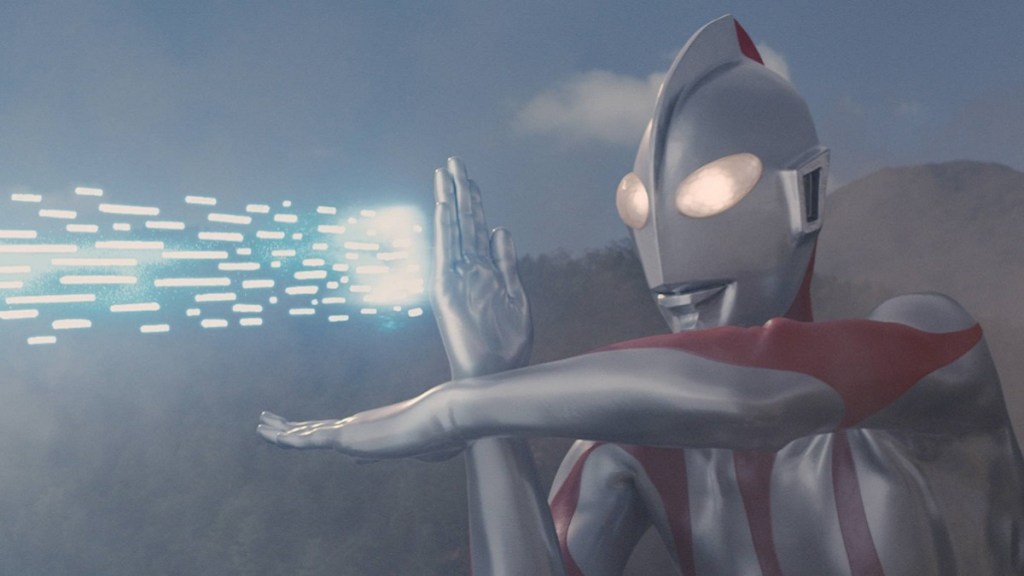
Ultraman himself is a super interesting character, from his personality to his design. I’m a big fan of the “two spirits in one body” trope that appears in Japanese media, and while Shin Ultraman doesn’t feature full-on conversations between the personas like Yu-Gi-Oh!, I still really liked seeing that Kaminaga had two distinct personalities. Ultraman’s powerset is really fun, and I can understand why he’s so popular. His suit changing color to show how much power he has remaining keeps him from ever appearing too powerful. He makes very cool poses when he fights, and I like that he sounds like an airplane when he flies. I think what Shin Ultraman succeeds most at is capturing the campy energy of the serials that inspired it; it feels just like an old show, although I’m sure fans who are more familiar with the series would be quick to correct me about how modern it actually is.
The mise en scene of this movie is wild. Director Shinji Higuchi is absolutely unhinged in his attempt to deliver anime-style shots throughout the film, even in mundane scenes in which characters are only talking. On the one hand, seeing him use unusual angles to frame the characters in unique ways is very interesting, on the other hand, it’s very distracting, and makes scenes difficult to follow. While I appreciated the effort that was put into the cinematography, I couldn’t help but laugh at how strange the movie looked, especially in scenes where it couldn’t go more than four seconds without changing the angle to an absurd perspective shot. Higuchi also has an anime background, so perhaps it isn’t so surprising.
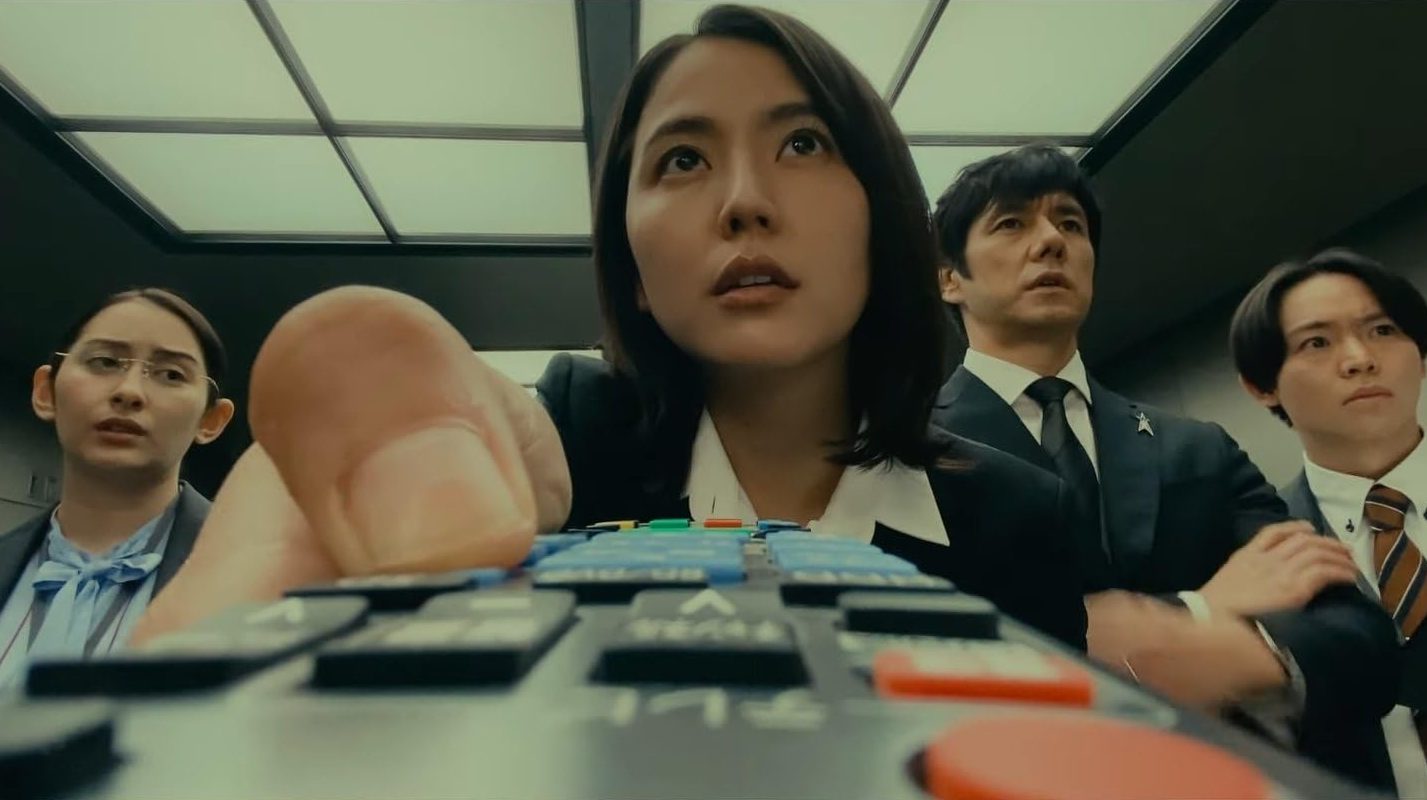
While I had a lot of fun with Shin Ultraman, I think it would be less appealing than Shin Godzilla to most audiences. The effects are so campy, and the appeal isn’t really about the tension of whether or not Ultraman will win a fight. The brisk pace, coupled with the campy tokusatsu designs and poses are too campy for most audiences, save those who enjoy anime, wrestling, or sci-fi. Maybe this stuff has more appeal than I’m giving it credit for; Shin Ultraman has generally favorable reviews online, and I definitely enjoyed it too, but the pacing and style seem like big barriers of entry.
As it happens, I also learned a fun tidbit about these movies. Godzilla and Ultraman are owned by different companies, but through the Shin branding of Anno’s works (Shin Evangelion and Shin Kamen Rider included) the characters have been brought together through an implied shared universe. Perhaps that’s why this movie opens with the title for Shin Godzilla transitioning to reveal Shin Ultraman. According to a reddit thread, Yutaka Takenouchi’s character, a political official, is the only common actor between Shin Godzilla and Shin Ultraman. I’ll have to check out Shin Kamen Rider sometime to see if he makes an appearance there as well.
 Sam Wolfe is alive